Discover Gui Pizzeria & Bistrot
If you ever find yourself strolling along the Arno River in Pisa, chances are you’ll pass Lungarno Mediceo, one of the city’s most charming stretches. Tucked at Lungarno Mediceo, 15, 56127 Pisa PI, Italy, Gui Pizzeria & Bistrot is the kind of place you almost walk past-until the scent of wood-fired pizza pulls you back. I first visited on a cool spring evening after a long day exploring the Leaning Tower and nearby университет buildings. What started as a casual dinner stop quickly turned into one of the most memorable meals of my trip.
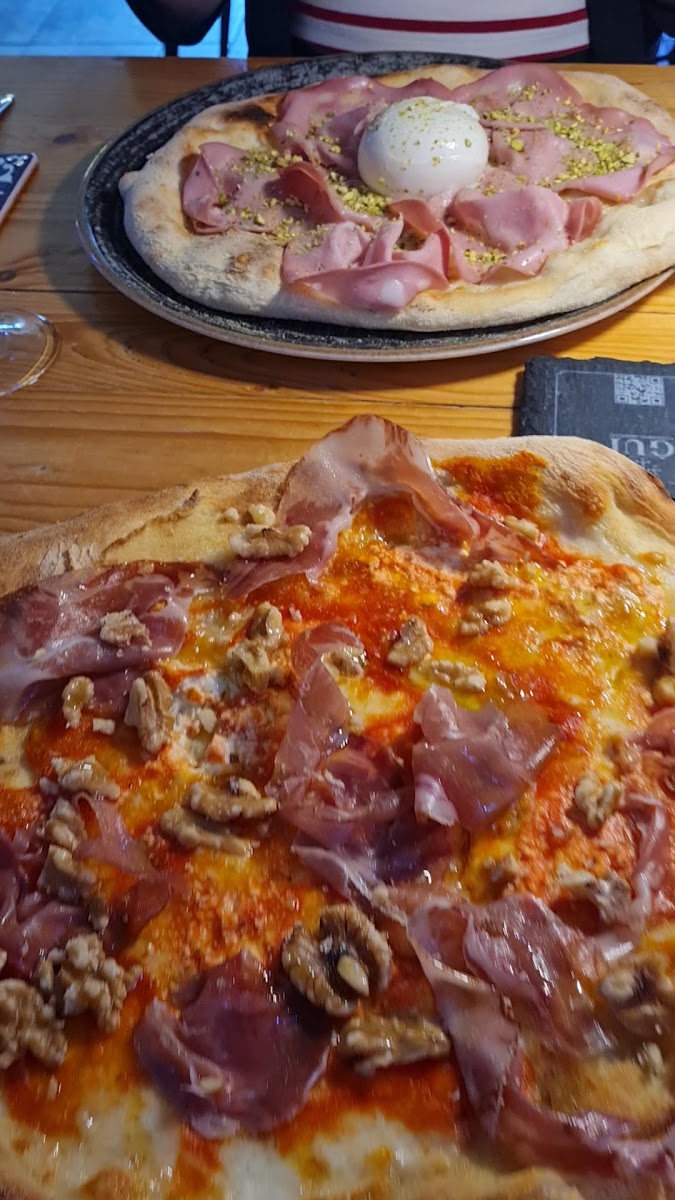
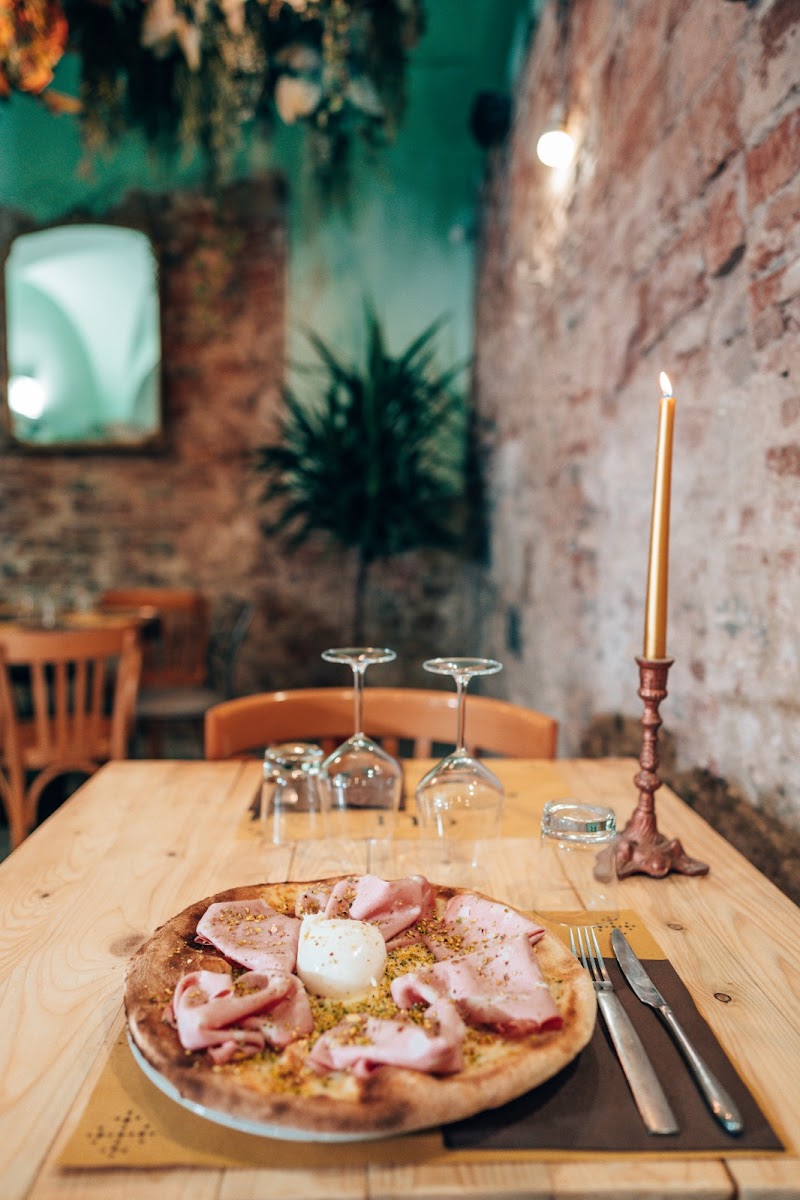
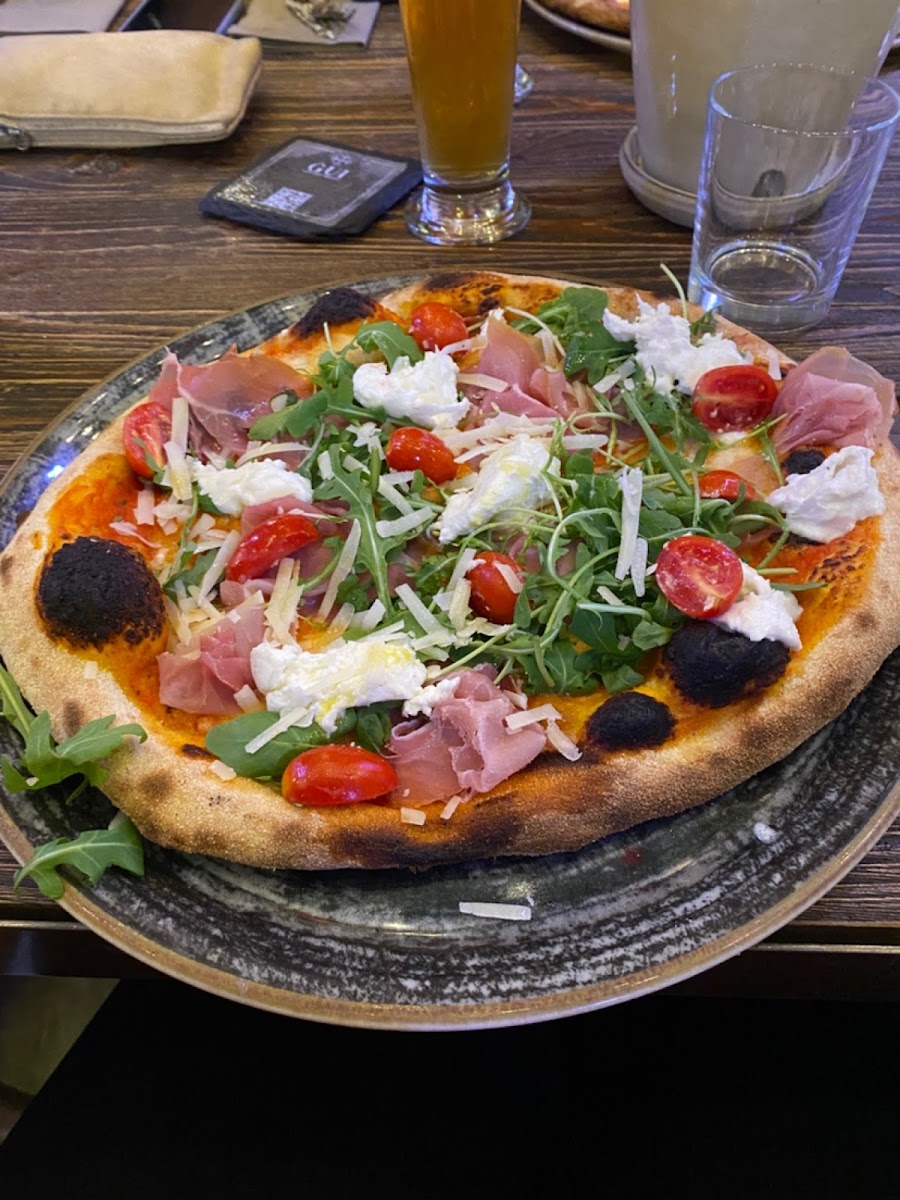
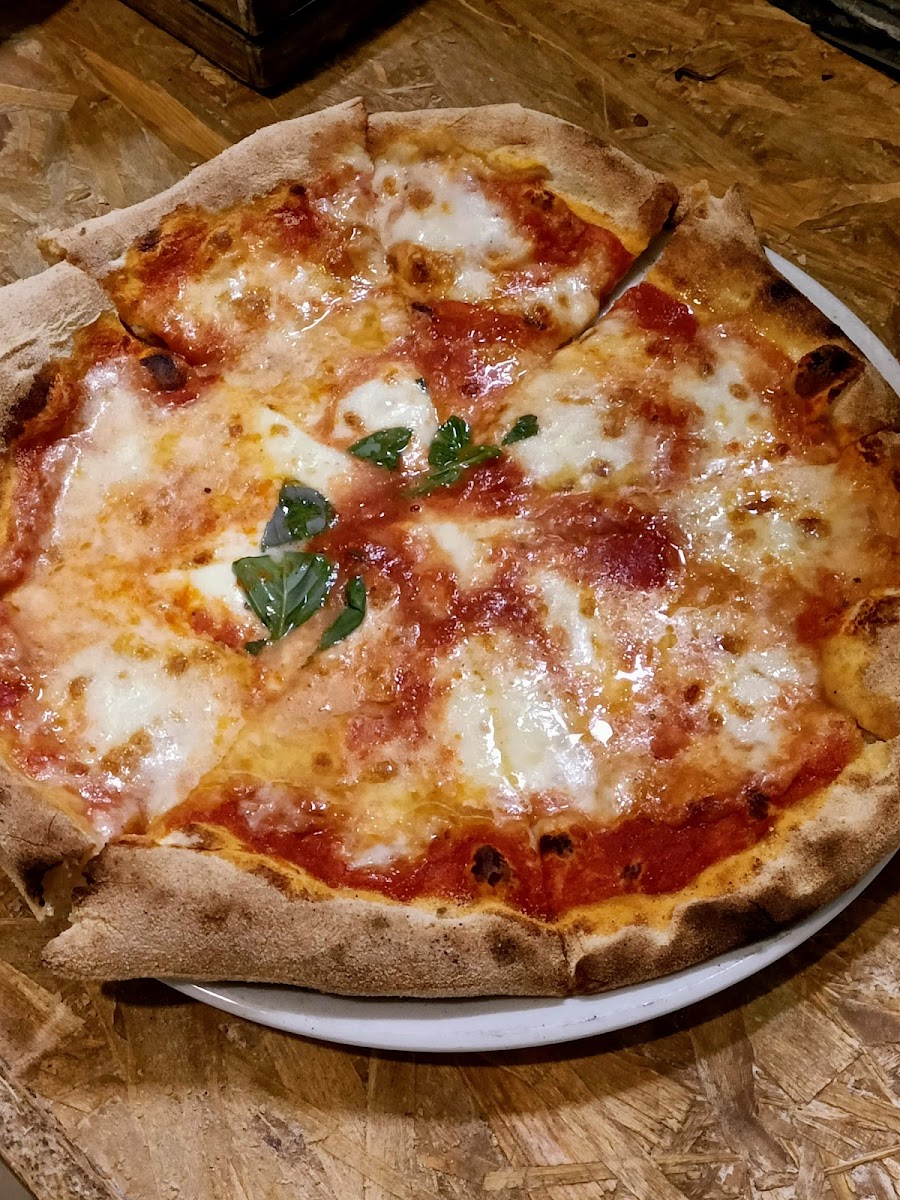
The menu is compact but thoughtfully curated, blending classic Italian pizzeria staples with bistrot-style dishes. You’ll find traditional margherita and marinara pizzas, but also more creative combinations featuring burrata, speck, and seasonal vegetables. According to the Associazione Verace Pizza Napoletana, authentic Neapolitan pizza requires high-hydration dough, 00 flour, and a wood-fired oven reaching around 485°C. Watching the pizzaiolo at work here, carefully stretching the dough and sliding it into the blazing oven, you can tell the process respects those standards. The crust arrives blistered and airy, with that perfect balance of chew and char.
On my second visit, I tried their truffle and sausage pizza, and it’s still something I think about. The truffle aroma wasn’t overpowering; instead, it layered gently over the mozzarella and savory meat. That balance shows real culinary understanding. In the restaurant industry, flavor harmony is often discussed by chefs like Massimo Bottura, who emphasizes that simplicity and ingredient quality matter more than complexity. Gui seems to follow that philosophy naturally. Fresh ingredients, careful preparation, and no unnecessary frills.
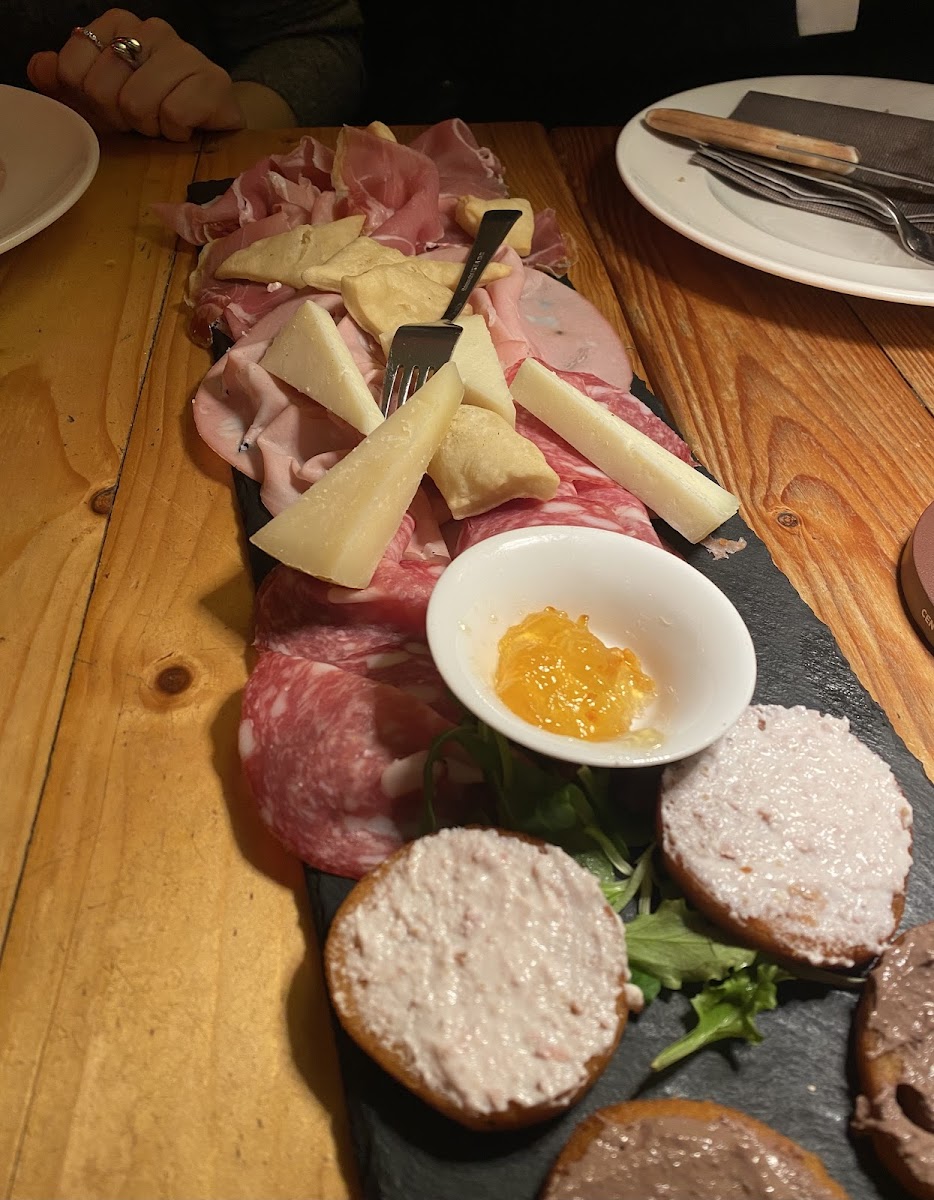
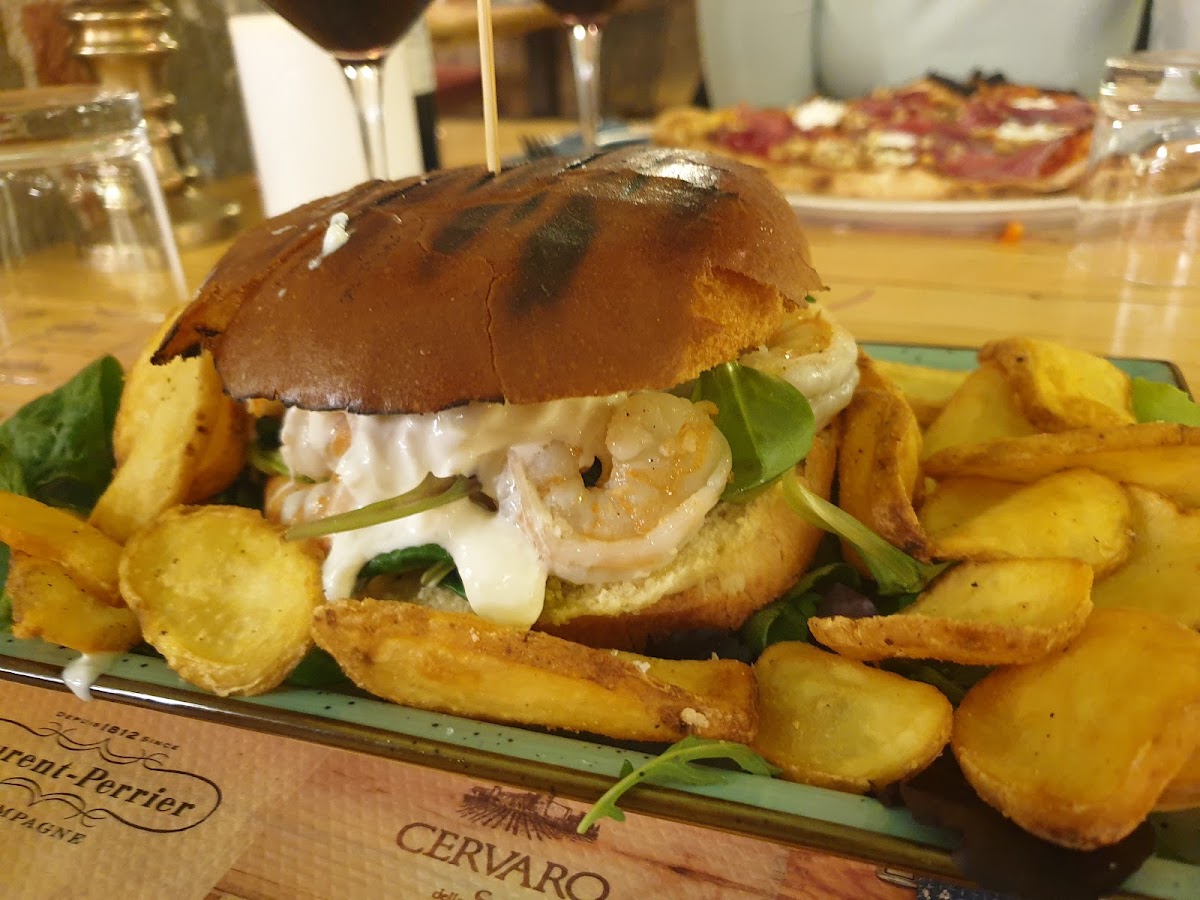
Beyond pizza, the bistrot side of the menu deserves attention. Their seafood pasta, especially the spaghetti alle vongole, reflects Pisa’s proximity to the Tyrrhenian Sea. The clams tasted fresh, and the white wine sauce had just enough acidity to lift the dish without drowning it. Italian culinary research consistently highlights the importance of regional sourcing, and you can sense that focus here. Even the olive oil drizzled over the bruschetta carries a peppery finish typical of Tuscan varieties.
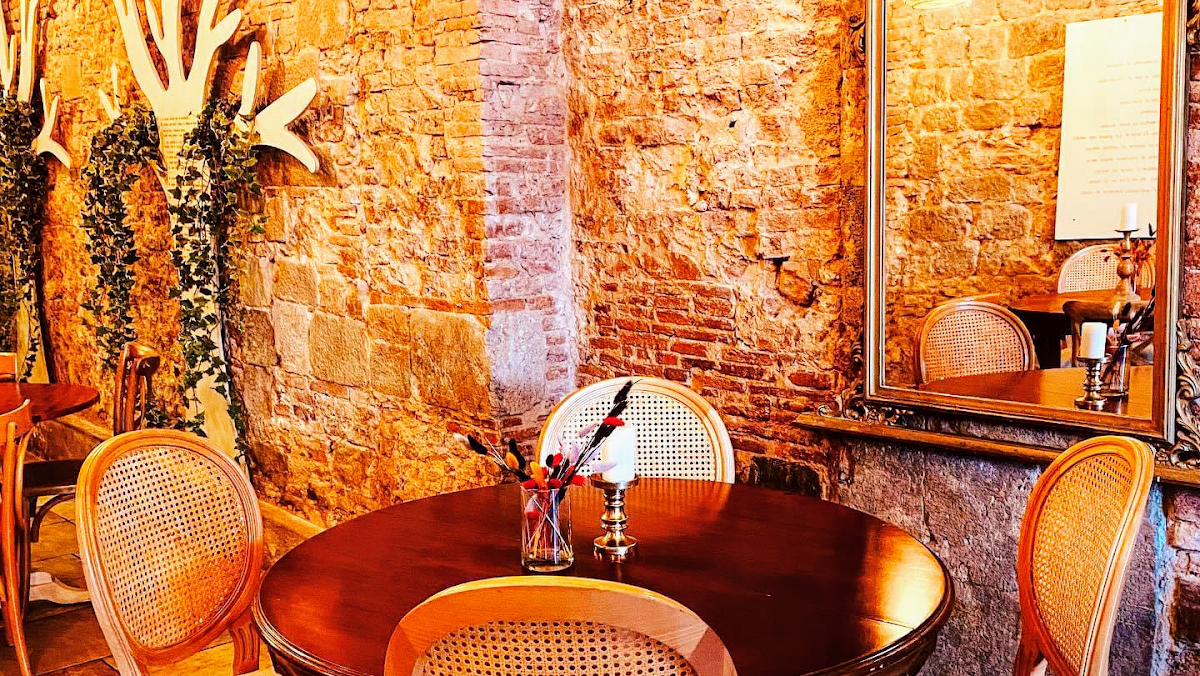
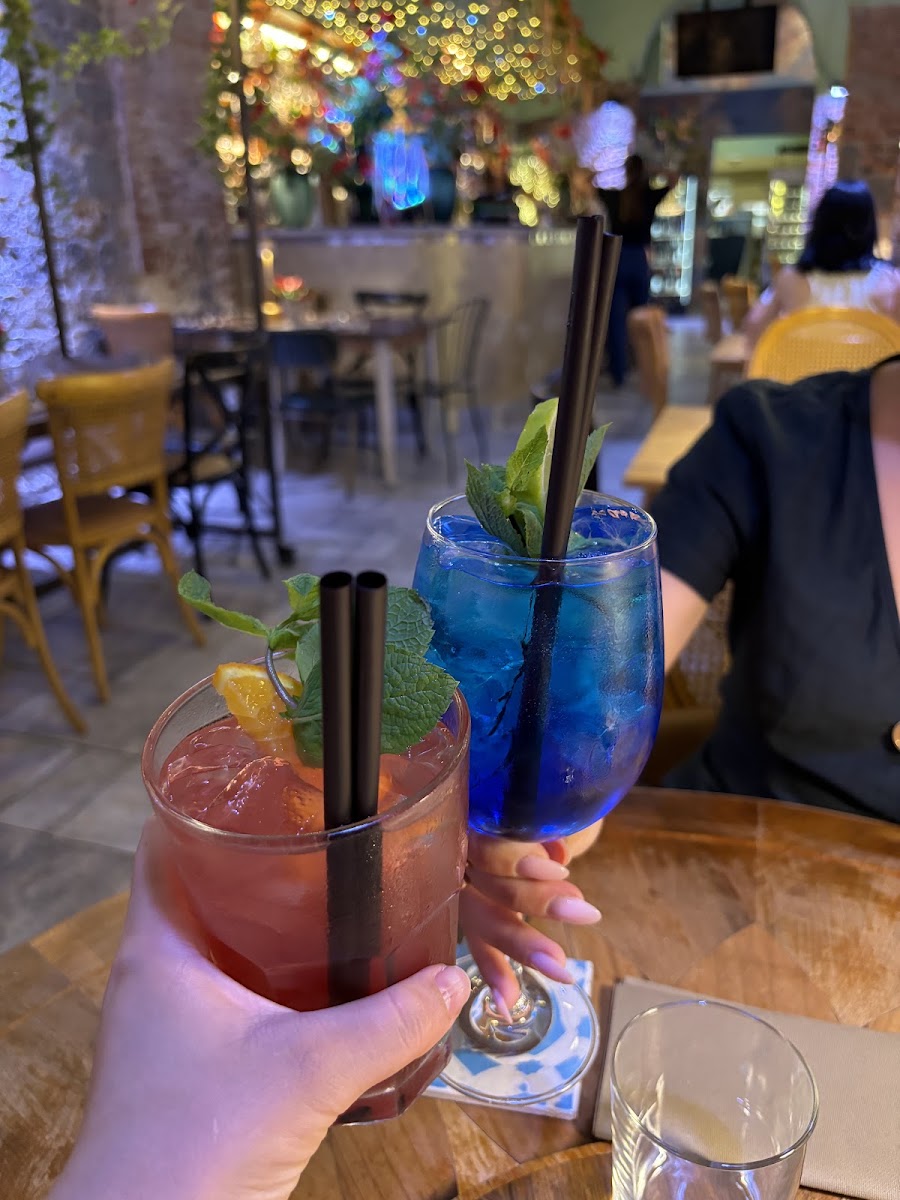
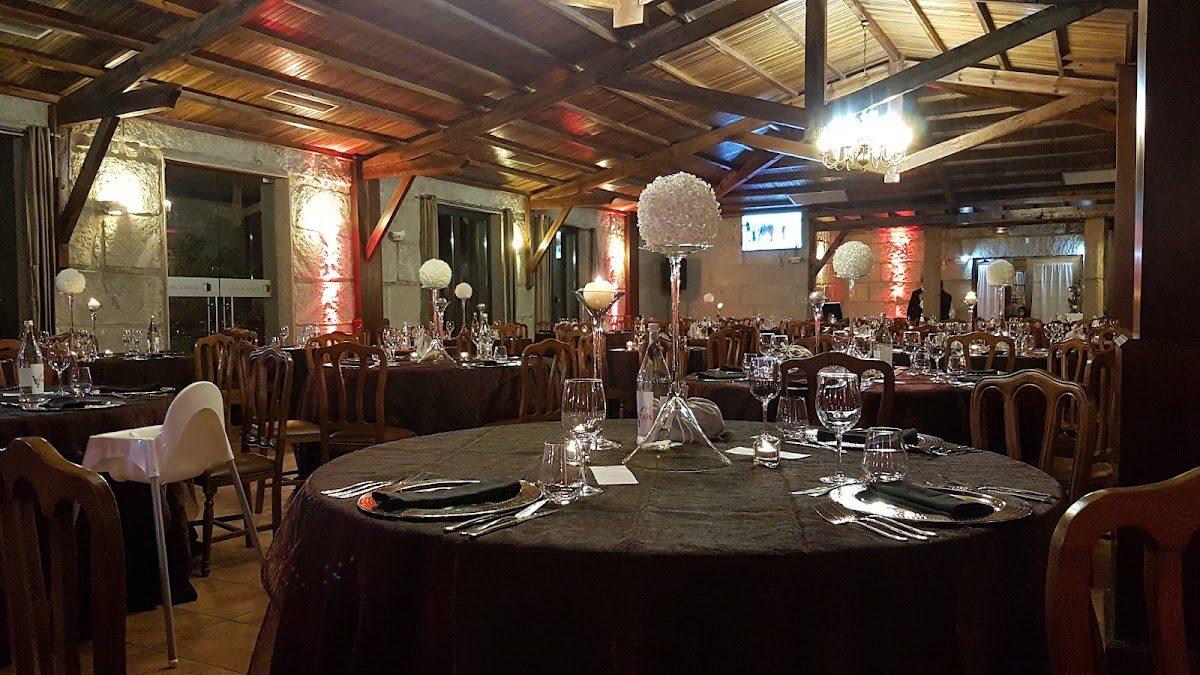
The interior feels relaxed yet polished. Exposed brick walls, warm lighting, and simple wooden tables create an inviting space that works for both casual dinners and low-key date nights. During peak tourist season, reservations are a smart move. I noticed a mix of locals, students, and travelers, which usually signals a restaurant’s authenticity. Places that survive purely on tourism often lack repeat local customers. Here, I overheard Italian conversations about weekly specials and favorite wines, which says a lot.
Speaking of wine, the wine list leans heavily into regional labels. Tuscan reds like Chianti and Bolgheri pair beautifully with the richer pizzas. If you’re unsure what to choose, the staff are surprisingly knowledgeable. On one occasion, our server explained the difference between Sangiovese’s tannic structure and a softer Merlot blend, helping us match the wine to our meal. That level of guidance adds trust and credibility to the experience.
Online reviews consistently mention friendly service and fair pricing, and I found that accurate. While prices may shift depending on seasonal ingredients or inflation trends, the overall value remains strong for a riverside location in Pisa. Transparency in pricing and clear menu descriptions also build confidence. There were no hidden service surprises, and dietary preferences were handled with care. Vegetarian options are clearly marked, and gluten-free requests are accommodated when possible, although cross-contamination can’t be entirely ruled out in a traditional pizza kitchen.
What makes this place stand out isn’t just the food-it’s the rhythm. Orders move efficiently from kitchen to table, yet you never feel rushed. The team seems genuinely invested in maintaining quality, which aligns with broader hospitality standards promoted by organizations like the World Tourism Organization that stress consistency and guest satisfaction as pillars of sustainable dining.
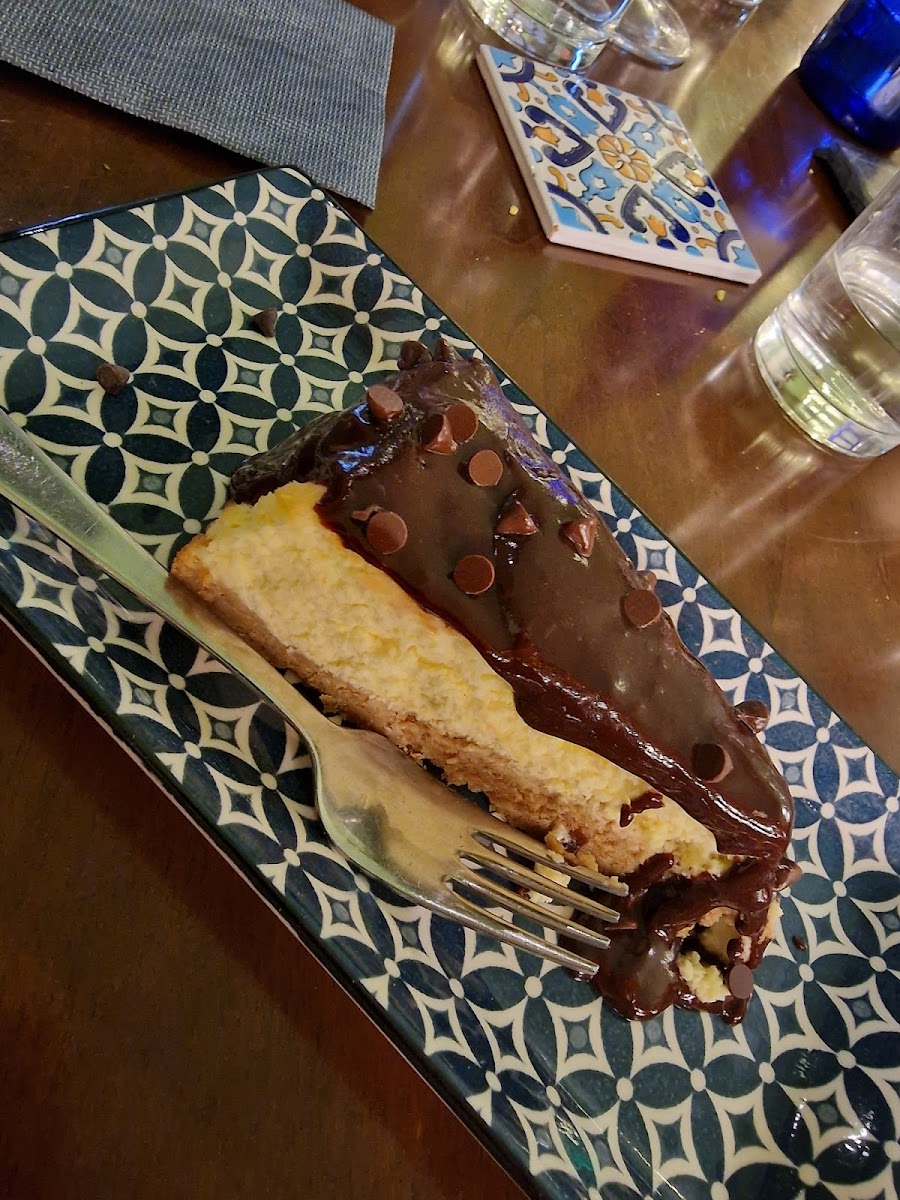
By the time dessert rolls around-try the tiramisu if it’s available-you’ll probably be planning your next visit. Between the carefully crafted menu, its prime Lungarno location, and the steady stream of positive reviews, this riverside pizzeria and bistrot manages to blend tradition with approachability in a way that feels completely natural.